



This year has been exceptionally peculiar for Xbox. You could contend that Microsoft’s gaming brand had either an outstanding year or one of its worst, and I would probably nod in agreement with many of your points regardless of the stance you take.
Indeed, Xbox released a substantial number of games across console, PC, and mobile platforms, but it also turned Game Pass into a costly predicament. While Xbox had an impressive showcase this year, offering fans an exhilarating glimpse of the future, Microsoft’s gaming division simultaneously executed numerous layoffs, all while trying to justify it as part of a larger plan. They assure us everything is fine, yet the frequency of such reassurances is becoming increasingly suspicious.
Last year, I predicted that Xbox was positioned for a significant 2024, and largely, it was. However, I also expressed concerns about the potential costs. In 2024, we discovered the extent of what Xbox was willing to sacrifice.
Activision And Bethesda Bolster Xbox, Yet Bear the Consequences
This year marked the beginning of a new era for Xbox. The company now fully owns and operates Activision/Blizzard/King and Bethesda, along with other studios acquired in recent years. Thanks to Activision and Bethesda, Microsoft had a robust video game release schedule in 2024.
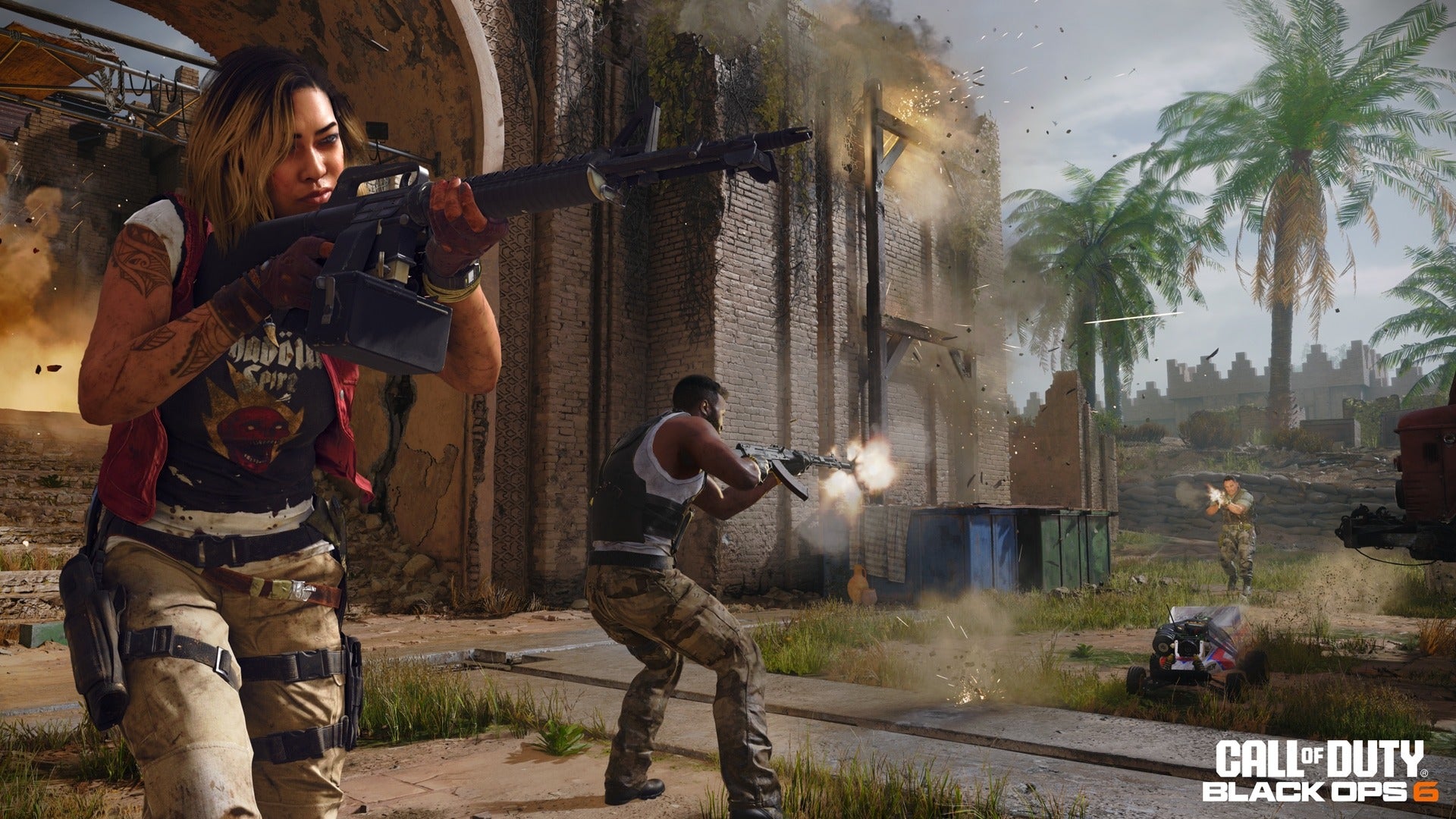
Call of Duty: Black Ops 6 emerged as one of the year’s major titles, and since Xbox now wholly owns Activision, it debuted on Game Pass on day one. Blizzard launched an expansion for Diablo 4, which joined Game Pass in early 2024, enhancing an already excellent game. Bethesda released its first expansion for Starfield, along with launching Elder Scrolls Castles on mobile and a new expansion for Elder Scrolls Online. The year concluded with a major Game Pass release: Indiana Jones and the Great Circle, one of 2024's top-reviewed games. Meanwhile, World of Warcraft received a new expansion, CoD Warzone Mobile hit phones, and some classic Activision games like Spyro and Crash Bandicoot were added to Game Pass’s library.
In terms of new games and fresh content, without these contributions from Activision and Bethesda, many of which appeared on Game Pass, Xbox would have experienced a very quiet and, arguably, disappointing year. However, despite these major publishers and their employees helping make this a strong year for Xbox, they weren't shielded from layoffs and closures.
In January, Microsoft announced it was laying off around 1,900 employees across Activision, Bethesda, and other Xbox studios. This came just three months after Xbox had officially acquired Activision, prompting the FTC to file a formal complaint. The FTC argues that this is exactly the sort of issue it was concerned about when attempting to prevent Microsoft from acquiring Activision.
Then, four months later, Xbox announced even more layoffs. On May 7, Xbox revealed the closure of three Bethesda-owned studios—Tango Gameworks (Hi-Fi Rush), Arkane Austin (Redfall), and Alpha Dog Games (Mighty Doom)—with a fourth support studio, Roundhouse Studios, being integrated into the team behind Elder Scrolls Online. (There were additional Xbox cuts in September)
As usual, the leadership claimed these actions were necessary for a brighter future, a notion that becomes increasingly difficult to accept when reiterated annually following each round of dismissals.
Ironically, after these Bethesda and Activision layoffs, some of Xbox’s biggest titles this year originated from these very companies. Xbox eagerly spent millions promoting Indiana Jones and the Great Circle, The Elder Scrolls Online’s new expansion, and Call of Duty. Yet, it wasn’t as willing to support the personnel behind these and other games from its publishing family, in a year marked by record industry layoffs. The Game Pass engine continues to demand more, regardless of the global situation.
The Deterioration Of Xbox’s Game Pass
Regarding Game Pass, in 2024, Xbox’s video game subscription service received a wealth of new games. Here are just some of the titles that launched on Game Pass day one: Palworld, Indiana Jones and the Great Circle, MLB The Show 2024, Harold Halibut, Hellblade 2, Dungeons of Hinterberg, Ara: History Untold, Call of Duty Black Ops 6, and Metal Slug Tactics. Besides day-one launches, Game Pass also expanded its library with older titles like the Resident Evil 2 remake, Control, Dead Island 2, and more.
Nonetheless, Xbox Game Pass isn’t the straightforward, highly-recommended deal it once was. In July, Xbox announced significant changes to Game Pass

Previously, it was simple: you paid a monthly fee and received every new first-party Xbox game along with some other releases. Paying more included PC and streaming games as well.
However, in the summer, Xbox implemented a significant price increase for all plans. Xbox Game Pass Ultimate, the plan encompassing everything, rose from $17 to $20. Meanwhile, the console-only plan, previously $11 a month, was discontinued and replaced with a new “Game Pass Standard” tier at $15 a month, which no longer included day-one releases. Xbox mentioned that some day-one releases might eventually be available on Standard but didn’t provide a timeline.
In summary: Everyone is paying more for Game Pass, but not everyone gains access to major new games like Call of Duty Black Ops 6 at launch. Not ideal! Since its inception, Game Pass’s major selling point has been the promise of day-one first-party titles like Halo. Yet in 2024, seemingly to help offset the nearly $70 billion acquisition of Activision, Xbox has undermined what was once gaming’s best deal.
Everything Is An Xbox, Including Your PS5 And Switch
Perhaps the most bizarre storyline for Microsoft in 2024 was how the company attempted to manage its declining console sales while assuring Xbox fans there was no cause for concern.
Looking at the events of 2024, the outlook for Xbox consoles isn’t promising. Once again, Xbox sales lagged significantly behind PlayStation and Nintendo in 2024. Reportedly, some publishers are uncertain about continuing game releases on Xbox consoles due to the limited playerbase.
Xbox also began porting more of its games to other platforms, causing a stir among its most devoted followers. Additionally, there was Xbox’s unusual marketing campaign, essentially suggesting: “You don’t need an Xbox to play our games!” Meanwhile, upcoming titles from Xbox-owned studios, like Doom: The Dark Ages and The Outer Worlds 2, are set to launch on PS5 in 2025. Furthermore, Xbox has suggested that even Halo could eventually be available on a PlayStation. Moreover, Indiana Jones and the Great Circle, the significant Xbox-exclusive release of December, is slated for a PS5 release next year, despite Xbox boss Phil Spencer previously denying this would occur.
All of this implies that Xbox is adopting a Sega-like strategy, going multiplatform in the future. However, Spencer and others at Xbox continue to assert otherwise. “We’ll definitely develop more consoles in the future, alongside other devices,” Spencer told Rolling Stone in November. The Xbox head also mentioned that the company is working on a Steam Deck-like handheld device, too. But that project is years away and might be canceled before ever seeing release.
Nevertheless, in the same month he promised more hardware, Xbox finally enabled users to stream some games they already own without an Xbox console.
According to Xbox, the future certainly includes new consoles, but purchasing them won’t be necessary as Microsoft’s games will be accessible via the cloud or ported to other platforms. This sounds less like a confident, coherent future strategy and more like a jumbled set of promises and individual plans designed to distract us from reality.
The Future Is Looking Uncertain For Xbox And Microsoft
As 2024 draws to a close, here is the reality of the situation: Xbox appears to be moving forward without clear direction as Microsoft channels most of its resources into AI.
Sure, Xbox boasts a substantial lineup of studios and publishers that will aid in developing and releasing more games than ever before across a wider array of platforms in 2025 and beyond. However, it struggles to support all these studios, frequently closing them or enacting layoffs.
Game Pass has evolved into a questionable and costly subscription service, a far cry from what it once was, and it’s likely to deteriorate further as Microsoft seeks to maintain growth amidst a lack of new users.
And if you’re considering purchasing a new console, investing in an Xbox Series X/S now seems like a gamble. I’m not suggesting Microsoft will abruptly cease console production, but as the company increasingly invests in streaming and makes more exclusives available on multiple platforms, the reasons for owning an Xbox, whatever that signifies in 2024, continue to diminish.
2025 could still be a monumental year for Xbox. New games from Bethesda, Activision, and its numerous studios are expected in the coming months, with more announcements likely throughout the year. However, 2024 was also a significant year for Xbox; it simply came at the expense of massive job cuts, substantial price hikes, and multiple studio closures. While some Xbox enthusiasts might anticipate another successful year, I’m genuinely concerned about how much more sacrifice will be required to finance it.
.


